Skip to content
German Dog with Police: History and Working Roles Explained
The association between German working dogs and law enforcement spans over a century, built on unmatched agility, intelligence, and a capacity for disciplined collaboration.

Origins of the German Police Canine Tradition
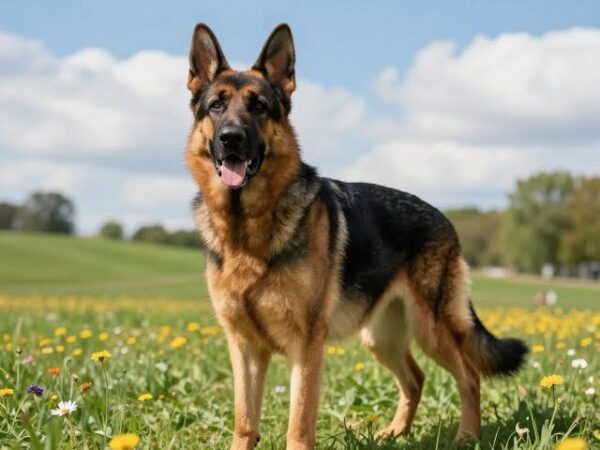
The structured partnership between law enforcement and the iconic German shepherd is rooted in the deliberate efforts of Max von Stephanitz during the late 19th and early 20th centuries. A former cavalry officer, von Stephanitz sought to create a standardized national herding dog that combined high intelligence, physical endurance, and unwavering loyalty. He purchased a specific dog he named Horand von Grafrath in 1899, establishing him as the foundational sire for the breed and drafting a strict blueprint for conformation and working capability.
As traditional herding diminished due to agricultural modernization, von Stephanitz successfully marketed the breed to municipal authorities and security forces. Early 20th-century German cities faced rising urban crime rates, prompting police departments to seek reliable methods for tracking suspects and maintaining public order. The German shepherd proved uniquely suited to these municipal demands. Its steady temperament under stress and willingness to take direction from a single handler set a new benchmark for public safety work.
By the outbreak of the First World War, the formal integration of these animals into municipal and military units was well established. Departments valued the dogs not merely as deterrents, but as sophisticated partners capable of scent tracking, building searches, and suspect apprehension. This foundational framework transformed the canine from a rural farm helper into an elite operational asset, shaping modern K9 standards adopted by agencies worldwide.
Core Traits That Suit These Dogs for Law Enforcement
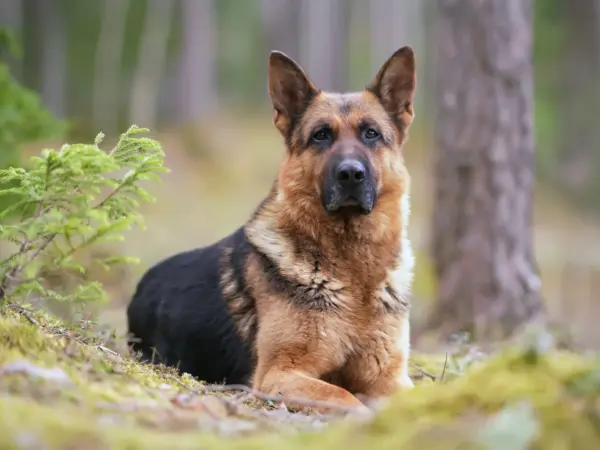
Modern police departments select working dogs based on specific psychological and physiological benchmarks rather than appearance alone. The archetype of the German dog with police units relies heavily on a precise equilibrium of temperament traits that allow the animal to function reliably in high-stress, unpredictable environments.
Temperament Balance: Nerve Strength and Environmental Stability
A successful K9 requires high nerve strength, a term used by trainers to describe an animal’s ability to remain clear-headed and resilient when confronted with sudden threats, loud noises, or chaotic crowds. Environmental stability ensures that slick floors, flashing lights, confined spaces, and steep stairwells do not trigger hesitation or panic. These working lines display an innate drive to engage with obstacles constructively, maintaining focus when civilian animals might retreat or react defensively.
Olfactory Precision and Tracking Capabilities
Beyond psychological resilience, the physiological equipment of these German working breeds provides distinct operational advantages. The canine olfactory system contains hundreds of millions of scent receptors, far exceeding human capacity. Handlers depend on this biological precision to locate hidden suspects, trace missing persons across varied terrain, and detect specific chemical signatures.
- Scent discrimination: The ability to isolate a single target scent amid intense environmental interference.
- Stamina: Sustained physical endurance required to maintain rigorous search patterns over extended periods.
- Aural focus: Directional hearing that complements tracking work by isolating distant noises in urban or rural landscapes.
When combined with a strong cooperative bond with the handler, these physical and mental attributes transform the dog into a versatile tactical asset. Proper training channels these natural drives into disciplined behaviors, ensuring that operational responses remain measured and precise.
Specialized Operational Roles Within Modern Police Units
Working canines deployed by law enforcement agencies generally split their duties between tactical intervention and complex olfactory detection. Each role requires specific behavioral aptitudes, precise conditioning, and close coordination with a human partner to ensure public safety and operational efficiency.
Apprehension and Tactical Support Operations
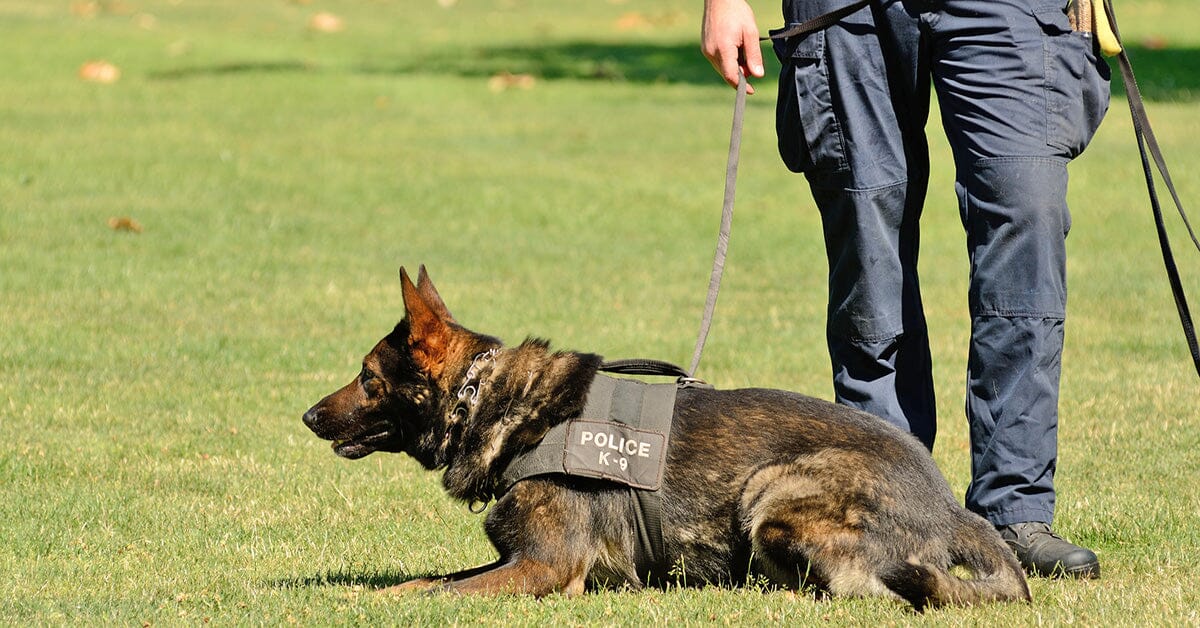
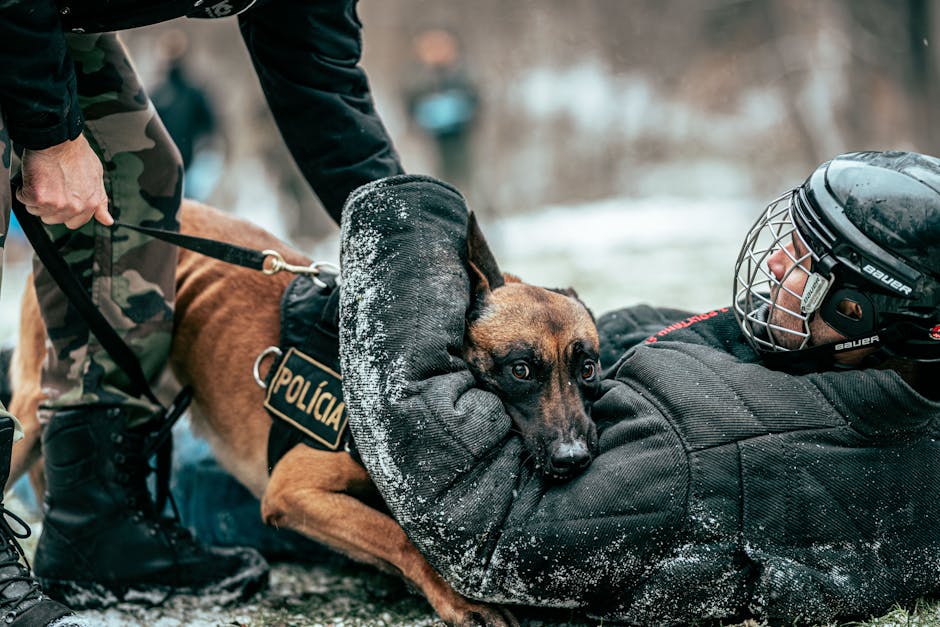
Patrol and apprehension assignments call for animals with robust physical power and exceptional courage. These operations frequently involve tracking fleeing suspects, securing large buildings, or providing a protective barrier during high-risk confrontations. Handlers rely on the dog’s sheer presence and controlled aggression to de-escalate volatile encounters without resorting to lethal force. Training for this duty emphasizes absolute obedience, ensuring the animal releases a hold immediately upon command regardless of high adrenaline levels.
Detection Work: Narcotics, Explosives, and Evidence Recovery
Conversely, specialized detection assignments depend on minimal physical interference and maximum scent discrimination. Dogs trained for this track do not engage suspects; instead, they indicate the presence of targeted substances by sitting, staring, or freezing near the source.
- Narcotics detection: Locating hidden illicit substances concealed within vehicles, luggage, or architectural structures.
- Explosives screening: Identifying trace chemical components used in firearms, ammunition, or improvised devices in public spaces.
- Article search: Recovering discarded items such as weapons, clothing, or personal effects along a suspect’s path of travel.
These detection tasks require patience and a relentless toy or food drive, which trainers harness to reward successful finds during repetitive search routines.
The Rigorous Selection and Training Pipeline
Transforming a raw working puppy into a dependable law enforcement asset requires a structured development program spanning many months. Trainers begin by observing very young dogs for specific behavioral markers, including high play drive, curiosity, and rapid recovery from startling stimuli. Early socialization milestones expose these candidates to diverse surfaces, heavy traffic, and unfamiliar people to build confidence long before formal technical instruction begins.
As the animals mature physically and mentally, instruction shifts toward advanced handler integration and precise obedience certification. This phase tests the partnership under simulated field conditions where the dog must execute complex commands despite distractions, fatigue, and environmental pressure.
- Off-leash control: Reliable execution of verbal and hand signals at extended distances.
- Gunfire neutrality: Remaining calm and focused when firearms are discharged nearby.
- Building searches: Navigating dark or confined structures systematically to locate hidden targets.
Agencies generally require teams to pass rigorous third-party evaluations before deployment. These tests measure the dog’s reliability, safety, and adherence to departmental standards, ensuring that every operational response remains proportionate and legally defensible in the field.

Daily Life and Welfare Standards for Working K-9s
Sustaining the operational readiness of a law enforcement canine requires meticulous daily management that extends far beyond standard pet care. These animals maintain intense physical schedules, demanding diets formulated specifically for high-energy working breeds to support muscle recovery and joint health. Handlers monitor caloric intake carefully, balancing fuel requirements against shifting workload intensities. Veterinary oversight remains constant, involving routine evaluations of teeth, hips, and pads to catch minor strains before they develop into debilitating injuries. Rest periods are scheduled as rigorously as training blocks, ensuring the nervous system recovers from the high-stress demands of tactical environments.
Nutritional and Physical Conditioning Requirements
- High-protein diets designed to repair muscle tissue after demanding apprehension or tracking exercises.
- Targeted joint supplementation to protect hips and elbows against the repeated impact of jumping and high-speed turns.
- Controlled warm-up and cool-down routines incorporated into daily deployment and training sessions to prevent soft-tissue damage.
Retirement Transitions and Post-Service Care
Active service typically concludes between eight and ten years of age, depending on the cumulative physical toll of operational deployments. Agencies follow established transition protocols to determine the most suitable retirement placement for each animal. Most frequently, the primary handler formally adopts the dog, maintaining an unbroken bond and providing a stable domestic environment for its remaining years. When adoption by the handler is impractical due to family or housing constraints, agencies vet alternative homes carefully. Retired law enforcement canines often require management for age-related stiffness or arthritis, meaning ongoing veterinary support remains essential long after the badge is handed in.
Final Thoughts
German police dogs combine specialized tracking ability with steady nerves, making them among the most effective service animals in law enforcement. These working dogs rely on rigorous, lifelong training to manage high-pressure situations safely. Understanding their daily duties offers valuable insight into how modern security operations function. For those interested in working with these animals, exploring official law enforcement recruitment guidelines provides a practical next step.
”You might also like