Skip to content
German Dog 2026: Trends in Breed Popularity and Care Standards

As canine ownership standards continue to evolve, understanding the specific requirements for German dog breeds in 2026 is essential for prospective and current owners. This guide examines the shifting landscape of breed health, behavioral expectations, and ethical maintenance for these dogs.
\n
Shifts in Breed Popularity and Ownership Statistics
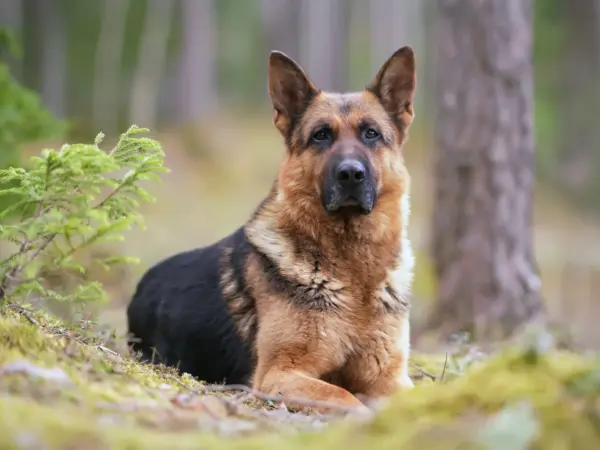
The demographic profile of canine companions in Germany is undergoing a measurable transformation as we approach 2026. Current registration data reflects a sustained preference for breeds with long-standing regional heritage, such as the German Shepherd and the Teckel. These breeds maintain high rankings in annual registration tallies, largely due to their versatile temperaments and adaptability to diverse domestic environments. While smaller companion breeds have seen fluctuations in popularity due to shifting urban trends, the foundational interest in established working and versatile hunting breeds remains a cornerstone of the German pet market.
The Impact of Lifestyle Changes on Breed Choice
Modern living arrangements are fundamentally reshaping how households select their canine partners. As more individuals navigate high-density urban living and flexible remote work environments, the criteria for dog ownership have pivoted toward manageable size, lower exercise demands, and the ability to travel easily. Owners are increasingly prioritizing breeds that integrate seamlessly into a fast-paced, mobile lifestyle.
This shift has introduced several clear trends in ownership dynamics:
- Preference for medium-sized dogs that fit comfortably within compact apartment spaces.
- Increased demand for breeds known for high sociability in public areas and transit.
- Rising focus on health and longevity metrics, as owners invest more heavily in long-term veterinary care for their pets.
Economic and environmental factors also play a critical role in these decisions. Prospective owners are evaluating not just the initial adoption or purchase costs, but the long-term sustainability of maintaining a specific breed within changing economic frameworks. As potential owners assess their personal schedules and living space limitations, they’re increasingly selecting dogs that offer high companionship value while requiring less specialized infrastructure. This practical approach to ownership is ensuring that traditional breeds with versatile traits continue to thrive, even as the specific daily needs of the modern household continue to evolve ahead of the new year.
Advancements in Canine Health and Genetic Screening
The landscape of veterinary care is shifting toward a proactive model that emphasizes early identification and personalized management of hereditary conditions. By 2026, the focus has moved beyond reactive treatment toward comprehensive genetic screening, allowing owners and veterinarians to anticipate potential health risks before symptoms manifest. Modern diagnostic tools now provide high-resolution insights into the breed-specific markers common in German lineages, such as hip dysplasia or degenerative myelopathy, enabling precise monitoring from a puppy’s earliest stages.
Modern approaches to hereditary condition management
Effective management of inherited health concerns now relies heavily on predictive analytics. Veterinarians Use advanced DNA profiling to map an individual dog’s susceptibility to specific diseases. This data-driven approach allows for the development of tailored environmental modifications and therapeutic plans long before clinical decline occurs. For instance, knowing a dog carries markers for joint instability prompts owners to implement specialized physical therapy and weight management protocols early in the animal’s life. This early intervention is essential for preserving long-term mobility and improving the general quality of life for genetically predisposed breeds.
Integration of preventative health protocols
Preventative health protocols have evolved to become standard practice rather than optional supplements. Routine care cycles now integrate longitudinal health tracking, which compares an individual dog’s data against aggregated breed benchmarks. This integration ensures that nutrition, exercise regimens, and screening schedules remain aligned with the evolving health profile of the dog. Key components of these protocols include:
- Regular biomarker assessment to detect subtle physiological changes early.
- Customized nutrition plans designed to mitigate specific metabolic or structural risks.
- Consistent screening intervals adjusted based on individual genetic predispositions.
By shifting to this systemic approach, the focus remains on sustaining vitality and extending the functional lifespan of the dog. This evolution in veterinary medicine empowers owners to take direct action, transforming health management into a collaborative process between clinical expertise and daily domestic care.
Evolution of Training Methodologies for Working Breeds
Modern approaches to training high-drive working dogs are shifting away from traditional compulsion-based techniques toward systems built on Positive reinforcement. This evolution recognizes that working breeds, such as German Shepherds or Malinois, require high levels of engagement to perform complex tasks effectively. By rewarding desired behaviors with food, play, or access to specific activities, trainers foster a willing partner rather than a reactive subordinate. This method enhances the dog’s ability to problem-solve and increases focus during high-stress exercises.
Mental stimulation has become as vital as physical exertion for these breeds. Because working dogs are historically bred for endurance and cognitive processing, simple repetitive commands often prove insufficient. Incorporating scent work, puzzle-solving, and impulse control drills allows the dog to satisfy their innate drive to process information. When these breeds are provided with consistent intellectual challenges, they demonstrate greater emotional stability and a lower incidence of destructive behaviors associated with boredom.
Adapting Training Routines for Urban Environments
The transition of working breeds into contemporary urban environments requires significant modifications to standard training protocols. In a city setting, the primary goal is to teach the dog to manage intense environmental stimuli, such as heavy traffic, crowds, and unpredictable noise. Training routines now emphasize Environmental neutrality, where the dog learns to remain calm and attentive to their handler regardless of external distractions.
To succeed in these settings, owners should prioritize the following strategies:
- Implementing controlled exposure to busy public spaces to desensitize the animal to urban triggers.
- Utilizing short, high-intensity training sessions that fit into constrained outdoor spaces like parks or apartment hallways.
- Focusing on leash etiquette and close-proximity handling to ensure safety in densely populated areas.
By blending structured mental work with practical urban socialization, owners ensure that their working breeds remain functional and content within modern human infrastructure. This shift ensures that the dog’s innate utility is maintained even when their daily landscape lacks the wide-open terrain of their heritage.
Nutritional Requirements for High-Energy German Breeds
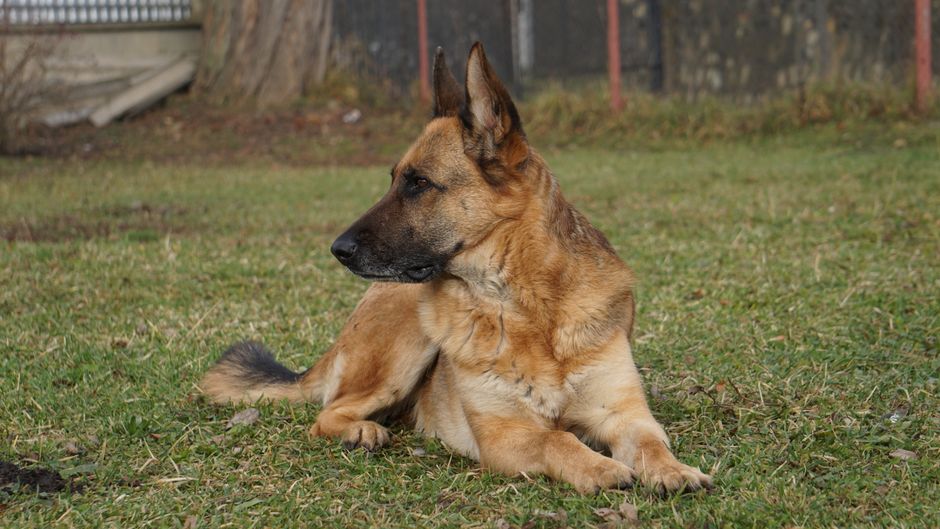
High-energy German breeds, such as the German Shepherd or the German Shorthaired Pointer, possess specific metabolic demands linked to their historical roles as working dogs. Sustaining their vitality requires a nutritional strategy that aligns with their physiological development phases. Puppies of these breeds experience prolonged growth periods, necessitating a precise balance of calcium and phosphorus to support skeletal maturation without promoting excessive growth spurts that can stress developing joints.
Formulating Diets Based on Physiological Development
As these dogs transition into adulthood, caloric density must be adjusted to match their activity level. A sedentary house pet requires a significantly lower caloric intake than an active working dog of the same breed. High-quality protein sources are essential to support lean muscle maintenance and cellular repair. For the active adult, carbohydrates should be selected for sustained energy release rather than rapid glycemic spikes, ensuring that stamina remains consistent during long periods of exertion.
Common Dietary Sensitivities and Modern Alternatives
Many German breeds exhibit sensitivities to traditional canine diet staples, most notably certain cereal grains or specific protein sources like chicken or beef. Gastrointestinal distress or dermatological issues often serve as the first indicators of these sensitivities. To address these concerns, many owners are turning to modern alternatives that focus on limited-ingredient profiles or novel proteins.
Effective management of these sensitivities often involves selecting diets based on the following principles:
- Novel protein inclusion: Utilizing sources such as duck, venison, or whitefish to reduce the likelihood of an immune-mediated reaction.
- Grain-inclusive variety: Incorporating ancient grains like quinoa or sorghum, which provide complex carbohydrates without the common allergens associated with wheat or corn.
- Probiotic integration: Supporting a robust gut microbiome to enhance nutrient absorption and immune function in sensitive digestive tracts.
By prioritizing nutrient bioavailability over bulk filler ingredients, owners can provide a foundation that supports both the physical intensity and the digestive health of these capable breeds.
Environmental Adaptation and Housing Compatibility
Modern housing trends toward compact, high-efficiency living demand a strategic approach to accommodate large, high-energy canine companions. As the 2026 landscape shifts toward minimalist, urban-centric residential designs, owners must prioritize floor-plan optimization to ensure a large breed thrives within limited square footage. Essential adaptations include designating dedicated decompression zones that provide the animal with a consistent retreat, free from high-traffic household corridors. By utilizing vertical storage solutions for supplies and elevated bedding platforms, owners can maximize available floor space, preventing the feeling of overcrowding while maintaining a organized domestic environment.
Managing Exercise Requirements
The convergence of professional demands and living density necessitates a more structured strategy for physical exertion. Relying solely on casual walks is often insufficient for maintaining the health of active large breeds in contemporary settings. To meet these energy requirements, owners must integrate high-intensity engagement into the daily schedule, utilizing a combination of mental stimulation and physical movement.
Implementing a routine that accounts for constrained living involves the following strategies:
- Integrating puzzle-based enrichment during peak energy hours to expend cognitive reserves.
- Scheduling consistent outdoor excursions that emphasize terrain variety rather than just distance.
- Establishing indoor training sessions that Use core-strengthening exercises to improve physical resilience.
- Prioritizing proximity to communal greenspaces or pet-accessible infrastructure during housing selection.
Effective management in this context relies on consistency rather than duration. Providing Structured engagement ensures the dog remains settled during indoor hours, which is critical when living in environments where space is at a premium. Rather than viewing the living space as a constraint, treating the home as a base for varied, intentional activity allows large breeds to adapt successfully to 2026 residential standards. Success depends on the owner’s ability to balance quiet indoor downtime with vigorous, planned outdoor exertion, ensuring the animal’s physiological needs are met despite shifting environmental factors.
Ethical Sourcing and Responsible Pedigree Preservation
Securing a German dog in 2026 requires a discerning approach that prioritizes long-term animal welfare over impulse acquisition. Reputable breeders operate with transparency, providing clear documentation regarding the genetic history and temperament of their breeding stock. They focus on maintaining the functional integrity of the breed rather than catering to aesthetic extremes that may compromise a dog’s physical comfort. Conversely, those seeking to adopt should engage with established rescue organizations that conduct thorough behavioral assessments and health screenings. These channels provide a vital lifeline for displaced animals while ensuring that potential owners receive an honest appraisal of an individual dog’s needs.
Balancing Breed Standards and Health Longevity
The tension between traditional breed standards and the promotion of health longevity is a central concern for responsible guardianship. Official standards often emphasize specific physical traits that define the lineage, but prioritizing these features can sometimes lead to physiological vulnerabilities if pursued without moderation. A sustainable approach involves selecting for structural soundness and functional vitality above exaggerated physical characteristics.
Prospective owners should evaluate the following criteria when assessing the compatibility of a pedigree with a high quality of life:
Structural Integrity: Prioritizing physical proportions that support natural mobility and reduce the risk of joint or respiratory issues over time.
Genetic Diversity: Valuing lines that maintain broad genetic variability to mitigate the inheritance of known breed-specific ailments.
Behavioral Temperament: Ensuring that the psychological requirements of the breed align with the owner’s capacity, as high-drive lineages require specific outlets to avoid behavioral distress.
By focusing on functional health, you ensure that the pedigree remains a testament to the breed’s purpose rather than a liability. This balance preserves the classic identity of the dog while ensuring that every animal has the best possible opportunity for a full, pain-free life. Informed selection remains the most effective method for upholding the ethical standards of the canine community.

Final Thoughts
Preparing for the German dog landscape in 2026 requires balancing rigorous breed-specific health standards with evolving legislative requirements across federal states. Staying ahead means prioritizing genetic screening for common conditions, investing in professional socialization training, and keeping abreast of updated liability insurance mandates. Prospective owners should focus on selecting ethical breeders who emphasize both temperament and long-term vitality, while current guardians must ensure their veterinary care plans align with the latest regional animal welfare regulations. Navigating these complexities ensures a stable, healthy environment for your pet in the coming years. Check your local municipal website today to verify the current registration and insurance requirements for your specific district.
”You might also like