Skip to content
The Benefits of Pumpkin for Your Dog or Cat Explained
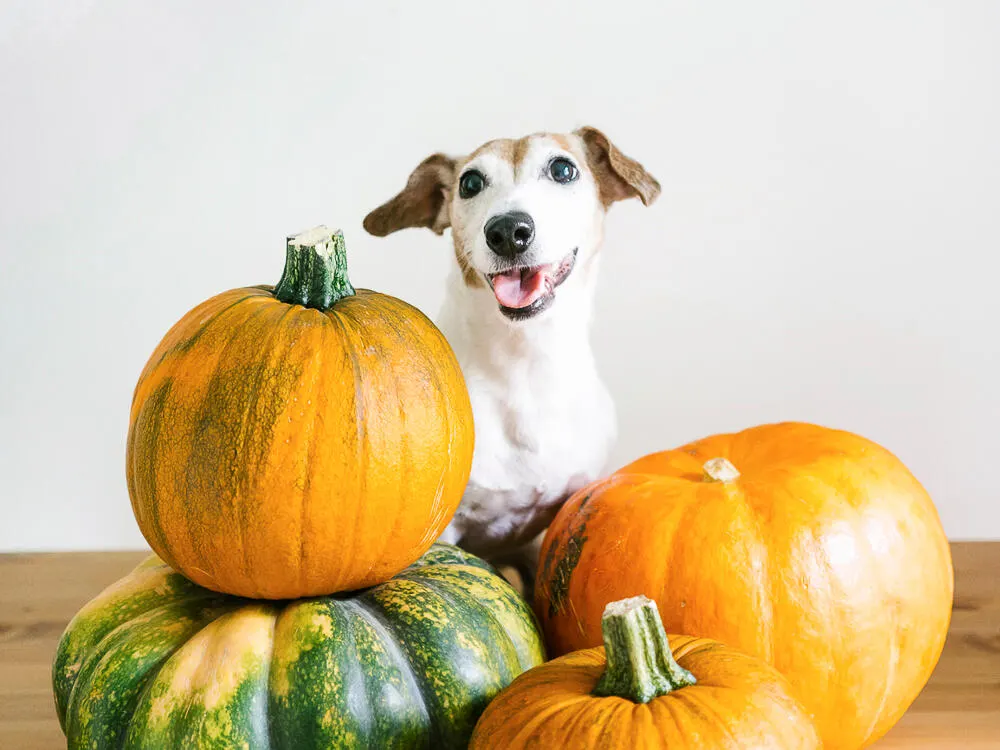
Integrating specific squash varieties into regular meals offers distinct nutritional advantages for domestic carnivores and omnivores alike.

Nutritional Profile and Dietary Composition of Pumpkin
Plain, cooked squash delivers a dense array of micronutrients while keeping fats and simple sugars minimal. This botanical fruit consists largely of water and structural fiber, creating a matrix that supports metabolic function without contributing to weight gain.
Vitamins, Minerals, and Antioxidant Content
The bright orange flesh signals a high concentration of beta-carotene, a precursor to vitamin A that supports ocular health and immune response. Beyond vitamin A, this garden staple contains measurable amounts of vitamin C, potassium, iron, and magnesium. Potassium assists in maintaining proper fluid balance and muscle function, while various carotenoids act as cellular protectors against oxidative stress.
Caloric Density and Macronutrient Breakdown
Understanding the basic macronutrients helps pet owners calibrate daily portions safely. Cooked squash is naturally low in calories and fat, making it a reliable tool for weight management plans.
- Carbohydrates provide the primary energy source, largely derived from complex starches.
- Dietary fiber forms a significant portion of the dry weight, aiding gastrointestinal motility.
- Protein and fat levels remain negligible, which ensures the food acts as a supplement rather than a primary protein source.
Managing Canine and Feline Digestive Health
Dietary fiber plays a primary role in regulating gastrointestinal transit time for both dogs and cats. When an animal experiences irregular bowel movements, the specific balance of soluble and insoluble fibers within this orange squash can help restore normal function. Soluble fiber absorbs water in the digestive tract, forming a gel-like substance that slows down digestion and adds bulk to loose stool.
Resolving Mild Constipation with Soluble Fiber
For pets experiencing slow transit or infrequent bowel movements, the moisture and soluble fiber content work together to soften the stool. The fiber draws water into the colon, which eases passage and encourages regular elimination. This gentle mechanism assists animals suffering from mild, occasional irregularity without the harsh side effects associated with chemical laxatives. Persistent constipation, however, can indicate an underlying medical condition requiring veterinary diagnosis rather than dietary modification alone.
Firming Stool and Managing Acute Diarrhea
Conversely, that same water-absorbing capacity helps solidify watery or loose waste. By binding excess moisture in the intestines, the fiber content reduces urgency and helps form well-structured stool during bouts of acute, uncomplicated digestive upset. Plain canned squash serves as an accessible pantry remedy for minor flare-ups. Pet owners should ensure the material is entirely unseasoned, as additives like nutmeg, cinnamon, or added sugars are toxic or irritating to domestic animals. If gastrointestinal symptoms persist for more than 48 hours, or if they are accompanied by lethargy or vomiting, professional veterinary care is essential.
Weight Management and Metabolic Support
Controlling daily caloric intake remains the foundation of successful weight management for domestic animals. Because commercially prepared kibble and treats often pack high energy densities into small portions, companion animals easily consume excess calories. Incorporating a low-calorie, fiber-dense food helps bridge the gap between satisfying an animal’s appetite and maintaining a healthy body condition score.
Increasing Satiety in Overweight Pets
Dietary fiber physically expands within the stomach, slowing gastric emptying and triggering the physiological signals associated with fullness. When overweight dogs or cats consume meals supplemented with pure squash, the added bulk promotes a sustained sensation of satiety without a corresponding surge in dietary fat or carbohydrates. This allows pet owners to reduce the overall volume of calorie-dense kibble while keeping the animal comfortable and content between meals.
Replacing High-Calorie Commercial Treats
Behavioral reinforcement often involves frequent reward-giving, which quietly sabotages weight loss efforts. Substituting commercial biscuits—many of which contain high levels of simple sugars and fats—with spoonfuls of plain, cooked squash dramatically cuts daily energy intake. Because every animal has a unique metabolic rate and specific energy requirement, target weight loss plans should be developed in coordination with a veterinarian to ensure nutrient adequacy is maintained.

Skin, Coat, and Immune System Enhancement
Cellular health relies heavily on antioxidants to neutralize free radicals that cause oxidative stress throughout bodily tissues. The vibrant orange pigmentation of squash varieties comes from high concentrations of carotenoids, which the body converts into vitamin A. This essential nutrient supports cellular repair, maintains mucosal barriers, and strengthens the body’s natural defense mechanisms against common pathogens.
The Role of Beta-Carotene in Cellular Health
Vitamin A derivatives govern skin cell turnover and mucosal integrity, creating a stronger physical barrier against environmental irritants and allergens. For both dogs and cats, adequate intake of these precursors ensures proper maintenance of epithelial tissues, which line the respiratory, gastrointestinal, and urogenital tracts. By supporting these vital protective surfaces, antioxidant-rich foods help sustain overall immunological resilience.
Essential Fatty Acids Found in Pumpkin Seeds
Beyond the fibrous flesh, the seeds offer distinct nutritional value. They contain significant levels of essential fatty acids and zinc, both of which contribute directly to dermal health and fur quality. Fatty acids help reinforce the skin’s lipid barrier, locking in moisture and reducing dryness, flaking, and dullness in the coat. Meanwhile, zinc supports enzymatic processes involved in hair follicle development and tissue repair. When grinding or feeding the seeds, ensure they are thoroughly cleaned, unsalted, and finely processed to prevent choking and aid digestion.
Safe Preparation Methods and Portion Guidelines
Maximizing the health benefits of squash for domestic pets requires careful attention to preparation and serving sizes. Plain canned pumpkin serves as the most convenient option, provided the label lists 100 percent pure squash without added sugars, sodium, or spices. Pumpkin pie mix contains harmful ingredients like nutmeg and high levels of sugar, which can cause severe digestive distress. Fresh squash works equally well if it is peeled, thoroughly cooked without oils or seasonings, and mashed to a smooth consistency. Raw varieties and tough outer rinds present a severe choking hazard and are difficult for dogs and cats to digest.
Portion control depends heavily on the animal’s body weight, metabolic needs, and dietary sensitivity. Introducing fiber-rich foods too quickly can trigger gas, cramping, or diarrhea, so starting with a minimal amount is essential for gastrointestinal adaptation.
- Small dogs and cats: Begin with one teaspoon per day, gradually increasing to one or two tablespoons depending on tolerance and caloric needs.
- Medium to large dogs: Start with one tablespoon daily, scaling up to a maximum of one-quarter to one-half cup per day for large breeds.
Monitoring the animal’s stool consistency during the transition helps determine the correct long-term serving size. If loose stools or digestive discomfort develop, reduce the portion immediately. Always consult a veterinarian before making significant adjustments to a pet’s daily diet, particularly for animals with chronic health conditions or those on strict prescription meal plans.
Potential Risks and Ingredients to Avoid
While plain squash is generally safe and nutritious, certain commercial products and culinary additives pose significant health risks to domestic animals. The most common hazard comes from pre-made canned pie fillings, which are heavily marketed during autumn months. These formulations typically contain high amounts of refined sugar, corn syrup, and toxic spices that can severely compromise a companion animal’s well-being.
The Dangers of Commercial Pie Fillings and Spices
Nutmeg is particularly dangerous for dogs and cats. It contains myristicin, a natural compound that, in moderate to high doses, can cause disorientation, elevated heart rate, high blood pressure, abdominal pain, and seizures. Cinnamon, another staple spice found in pie mixes, can irritate the oral mucosa, trigger allergic reactions, or cause respiratory distress if inhaled in powder form. Additionally, artificial sweeteners such as xylitol—frequently added to sugar-free baking products—are extremely toxic to household pets, causing rapid insulin release and acute hepatic failure.
Recognizing Symptoms of Gastrointestinal Intolerance
Even when avoiding toxic spices, introducing fiber too rapidly or feeding inappropriate portions can cause adverse physical reactions. Pet owners should closely monitor their animals for signs of digestive upset after a dietary change. Common indicators of intolerance include:
- Sudden onset of loose stools or watery diarrhea
- Increased flatulence or audible abdominal rumbling
- Lethargy or reluctance to move
- Decreased appetite or refusal of regular meals
- Signs of abdominal discomfort, such as a hunched posture or whining
If these symptoms appear, discontinue the food immediately. Persistent gastrointestinal distress warrants a prompt veterinary evaluation to rule out underlying sensitivities, pancreatitis, or other medical concerns.

Final Thoughts
Incorporating plain pumpkin into a dog or cat’s diet offers targeted nutritional support for common digestive issues. The soluble fiber content helps regulate both constipation and mild diarrhea, promoting a balanced and efficient gastrointestinal tract. Additionally, pumpkin provides vital hydration and essential vitamins like A, C, and E, which support overall immune function and coat health without adding excessive calories. To safely achieve these results, serve only 100 percent pure canned pumpkin, avoiding any seasoned pie fillings containing sugars or spices. Begin by mixing a small spoonful into regular meals to monitor tolerance. Consulting a veterinarian ensures the correct portion size is tailored to the specific dietary needs of the pet.
”You might also like