Skip to content
10 Common Pet Care Mistakes You Should Avoid for Health
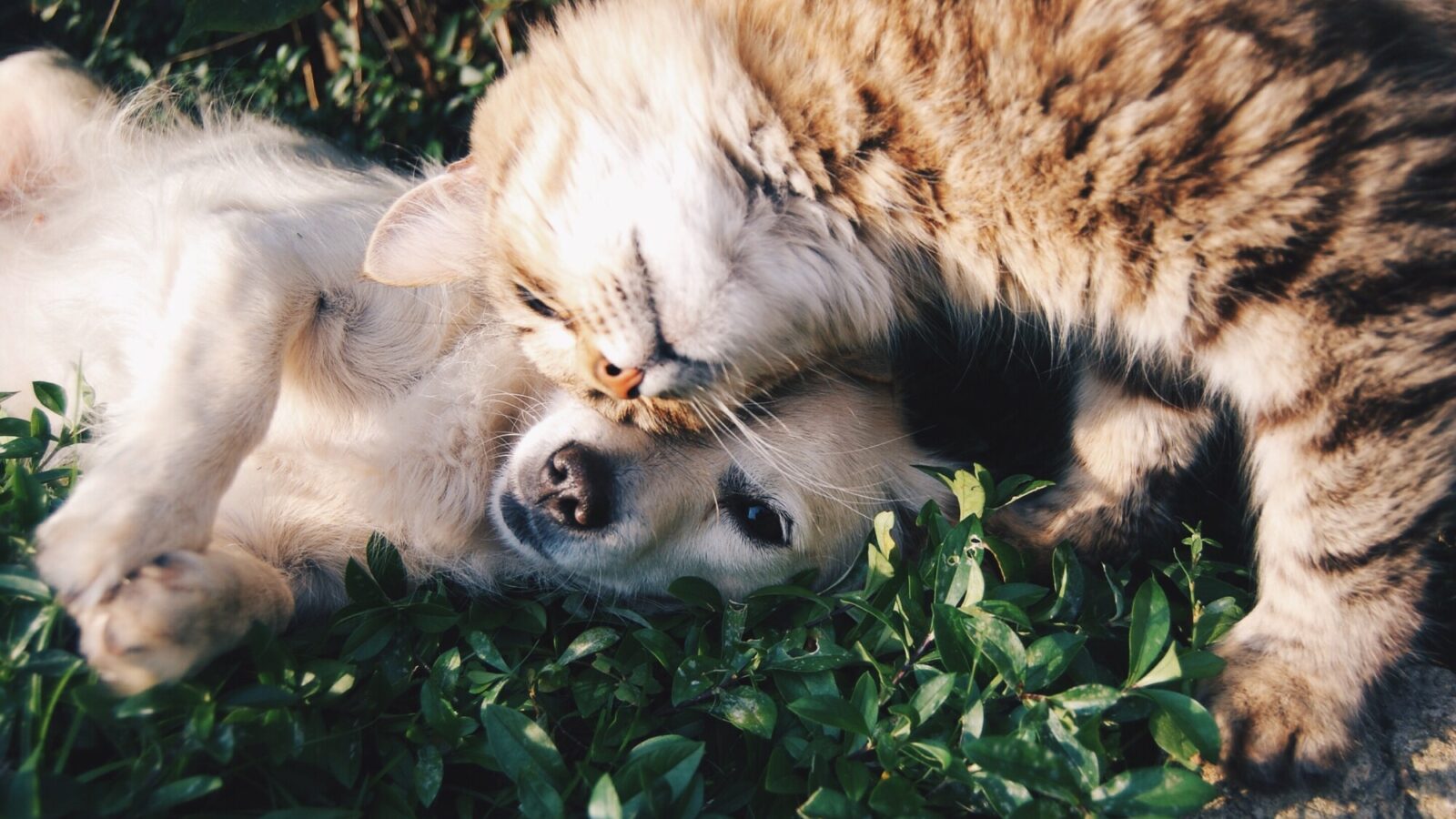
Raising a healthy companion requires consistent routines and informed decisions, yet well-meaning owners often fall into everyday habits that quietly compromise animal welfare. Recognizing these oversight areas helps you protect your pet’s long-term vitality.

Nutritional Pitfalls: Feeding and Portion Miscalculations
Balancing daily caloric intake remains one of the hardest aspects of household animal husbandry. Many caregivers rely on free-feeding, leaving a bowl full of kibble out all day for continuous grazing. This lack of structure frequently leads to overeating, as animals lack internal satiety cues to self-regulate when food is constantly accessible. Measuring daily portions with a standard kitchen scale or a calibrated measuring cup prevents gradual weight gain that often goes unnoticed until joint or metabolic issues arise.
Sharing household provisions also creates significant health risks. Common ingredients safe for human consumption can trigger severe physiological distress in domestic species. Grapes and raisins, for instance, cause sudden kidney failure in dogs, while onions and garlic damage red blood cells across multiple species, leading to hemolytic anemia.
- Xylitol, a common artificial sweetener found in peanut butter and baked goods, induces rapid, fatal hypoglycemia and liver damage in dogs.
- Cooked bones splinter easily, posing a severe choking hazard or causing internal punctures along the gastrointestinal tract.
- Avocado pits and skin contain persin, which causes toxic reactions in birds and large mammals.
Consulting a veterinarian regarding specific caloric requirements based on age, weight, and activity level ensures proper dietary management. If accidental ingestion of a toxic food substance occurs, contact a veterinary poison control center immediately for professional guidance.
Preventative Health Gaps: Overlooking Routine Care
Proactive wellness management relies on continuous protection against common environmental threats and gradual physiological changes. When owners wait for obvious signs of illness before seeking veterinary guidance, minor health issues often escalate into complex, costly conditions.
Skipping Year-Round Parasite Prevention
Fleas, ticks, and mosquitoes pose persistent risks regardless of seasonal temperature drops. Ticks remain active whenever temperatures rise above freezing, and fleas easily survive indoors during winter months, establishing household infestations before owners notice scratching. Administering continuous, veterinarian-recommended preventive treatments protects animals from vector-borne diseases like Lyme disease, heartworm, and tapeworm infections. Relying solely on seasonal applications leaves a window of vulnerability during unexpected warm spells.
Delaying Professional Dental Cleanings and Vet Exams
Periodontal disease affects the majority of adult dogs and cats, yet oral health is frequently neglected between annual vaccinations. Plaque hardens into tartar quickly, leading to gingivitis, painful tooth root abscesses, and systemic bacteria entering the bloodstream that can affect major organs. Regular physical examinations performed by a licensed veterinarian allow for the early detection of subtle shifts in organ function, joint mobility, and skin condition. Establishing a routine schedule for wellness checks and dental evaluations ensures that age-related adjustments or emerging conditions receive proper medical attention early.
Behavior and Environment: Mismanaging Daily Needs
Physical exercise represents only part of a balanced daily routine. Animals also require cognitive engagement to prevent chronic stress and destructive habits. Underestimating mental stimulation leaves intelligent species without an appropriate outlet for natural exploratory urges, leading to excessive vocalization, chewing, or pacing. Introducing puzzle feeders, scent work, or obedience games challenges the brain and wears down surplus energy more effectively than physical exertion alone.
Relying on Aversive Training Instead of Positive Reinforcement
Methods based on dominance, intimidation, or physical correction often suppress outward warning signs rather than resolving the underlying emotional trigger. For example, punishing a dog for growling removes a vital communication tool, increasing the likelihood of a sudden bite without warning when discomfort escalates.
- Punishment-based techniques heighten stress hormones like cortisol, which damages the human-animal bond and creates apprehension in domestic environments.
- Positive reinforcement focuses on rewarding desired actions with treats, praise, or play, establishing clear communication and mutual trust.
- Consistency and patience yield sustainable behavioral changes, whereas harsh corrections typically generate fear and avoidance.
Consulting a certified professional dog trainer or veterinary behaviorist provides safe, humane strategies tailored to specific behavioral challenges.

Safety Oversight: Household Hazards and Restraint
Everyday living spaces contain numerous items that present serious ingestion or toxicity risks to curious animals. Common houseplants such as lilies, pothos, and sago palms cause severe organ damage when chewed or swallowed. Garage and utility areas also house significant dangers, including antifreeze, rodenticides, cleaning agents, and fertilizers. Securing these substances in locked cabinets or elevated storage areas prevents accidental exposure. Human medications, both prescription and over-the-counter, must never be left on countertops or nightstands where animals can easily reach them.
Transporting pets safely requires physical containment to protect both the animal and the driver during sudden stops or collisions. Allowing dogs to roam freely inside a moving vehicle creates a dangerous distraction and increases the risk of severe injury if an accident occurs. Using a crash-tested harness attached to a seatbelt, a secured pet carrier, or a dedicated cargo barrier keeps animals safely restrained.
- Inspect home interiors regularly for chewed cords, dropped pills, or accessible toxic flora.
- Select vehicle restraint systems sized appropriately for the specific weight and conformation of the animal.
- Keep emergency contact numbers for veterinary poison control readily available near household phones.
For specific guidance on pet-proofing a home or selecting safe travel gear, consult a veterinarian or professional animal handler.
Grooming and Maintenance: Ignoring Physical Upkeep
Routine physical maintenance extends far beyond cosmetic appearance, playing a direct role in overall comfort and structural health. Overlooking basic coat and nail maintenance allows minor issues to develop into painful conditions that require veterinary intervention.
Neglecting Undercoat Brushing and Matting Prevention
Double-coated and long-haired breeds accumulate dead fur beneath the topcoat that must be manually removed. When this undercoat is ignored, it compacts tightly against the skin, forming dense mats that restrict airflow and trap moisture. Trapped moisture frequently leads to hot spots, bacterial skin infections, and severe irritation. Regular line brushing using appropriate combs and slicker brushes reaches down to the skin level, preventing knots from tightening and allowing the skin to breathe properly.
Failing to Maintain Proper Nail Length
Long claws alter an animal’s natural gait, putting abnormal pressure on the paw pads and joints during movement. When nails grow too long, the quick—the blood vessel inside the nail—elongates alongside the hard keratin sheath, making trimming increasingly difficult over time. Overgrown claws are also prone to snagging on carpets, textiles, or outdoor roots, which can tear the nail completely and cause significant bleeding and pain. Routine trimming every few weeks keeps nails at a safe length and preserves normal skeletal alignment. For animals that experience severe anxiety during nail care, working with a professional groomer or veterinarian ensures the task is completed safely without causing lasting distress.
Building a Better Routine Moving Forward
Fixing isolated oversights matters little if daily habits remain disorganized. Shifting from reactive corrections to long-term wellness requires a structured approach that tracks preventative veterinary needs and recognizes subtle shifts in animal health.
Creating a Sustainable Preventative Care Schedule
Memory alone often fails when tracking multi-layered healthcare requirements like parasite control, vaccine boosters, dental cleanings, and senior wellness panels. Mapping these obligations onto a physical calendar or digital reminder app removes guesswork. Grouping tasks seasonally or tying them to recurring dates ensures routine care never lapses. Proactive tracking eliminates the scramble of last-minute appointments and catches potential health shifts before they escalate into complex medical issues.
Knowing When to Consult a Professional
While home observation forms the backbone of daily animal husbandry, owners must recognize the boundaries of domestic care. Persistent changes in appetite, elimination habits, mobility, or temperament warrant prompt veterinary evaluation. Waiting to see if symptoms resolve independently often allows underlying conditions to worsen. Establishing a direct line of communication with a primary veterinarian ensures timely advice when unusual symptoms appear.
Final Thoughts
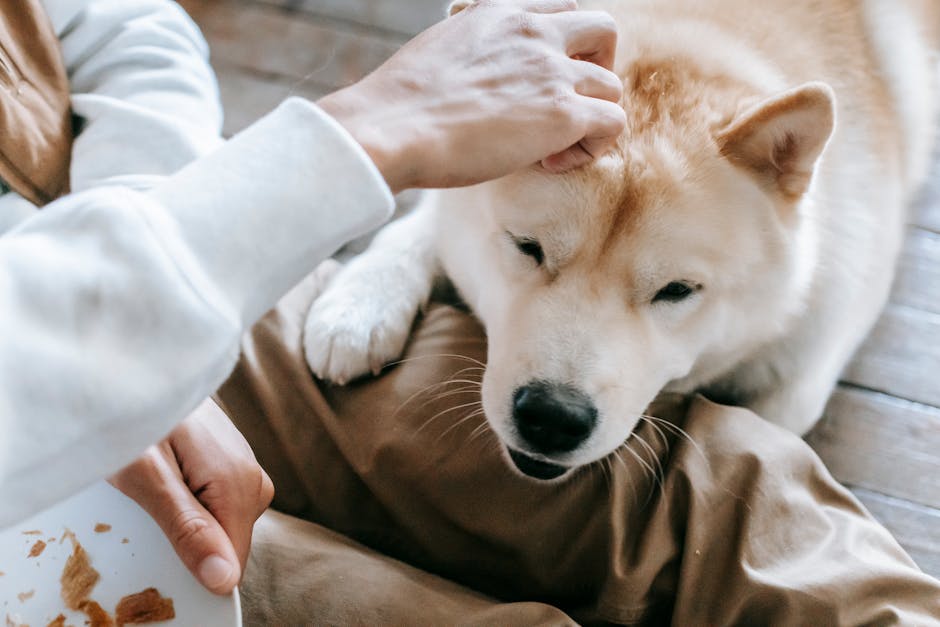
Proper pet care comes down to avoiding small oversights that compound over time. Prioritizing routine veterinary checkups prevents minor health issues from escalating into expensive emergencies. Additionally, measuring daily food portions accurately protects animals from weight gain and related joint or organ strain. Consistency in these daily habits safeguards long-term health. Review the current routine, identify one area for immediate adjustment, and consult a veterinarian for tailored guidance.
”You might also like