
How Adoption Works for Pets: The Complete Rescue Pathway
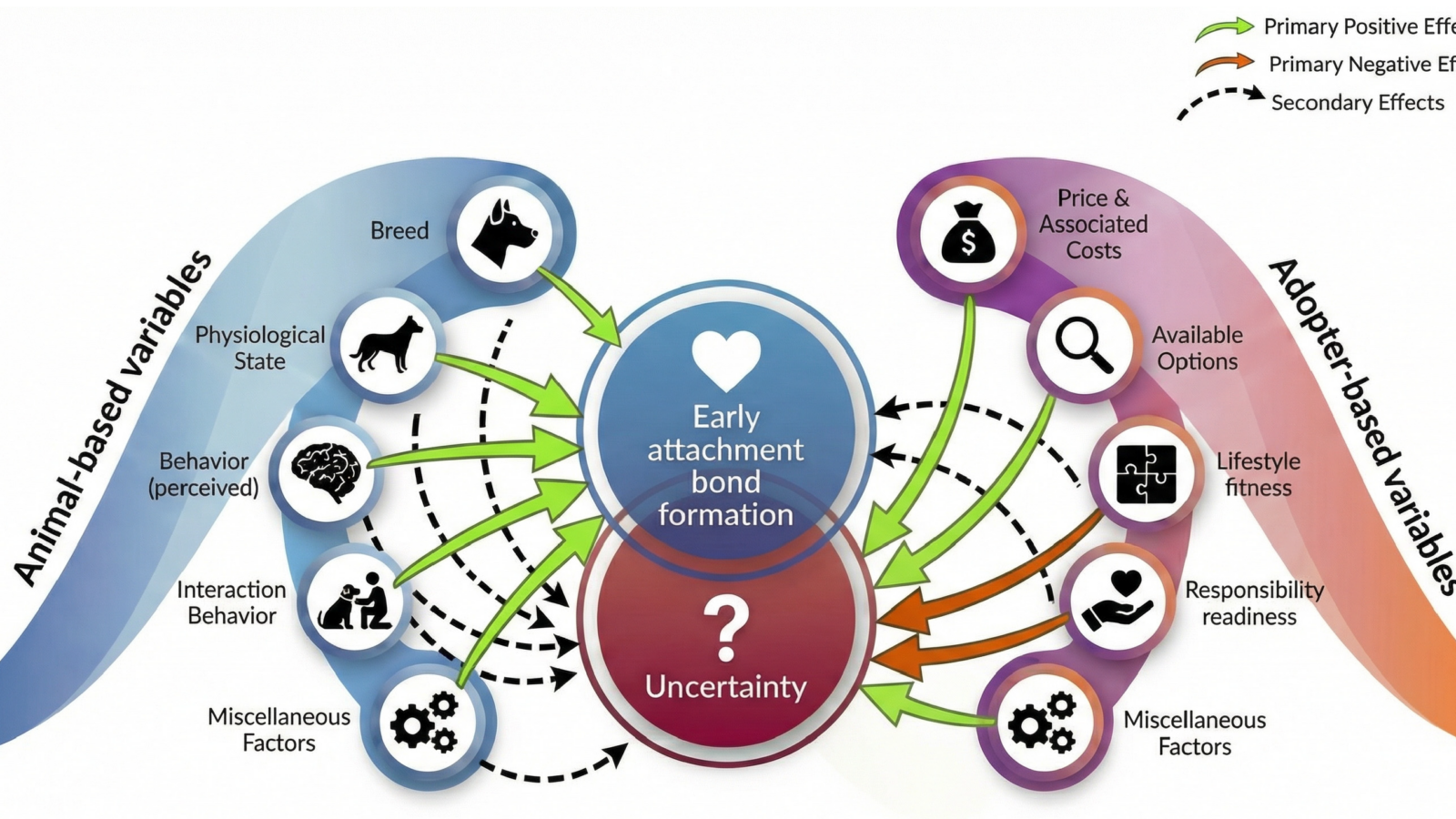
Navigating the rescue system involves understanding distinct operational stages that shelters and foster networks use to match animals with compatible households.

Deciphering Shelter Terminology and Intake Categories
Animal welfare organizations operate under different structural models, and the distinction between these entities shapes both your adoption journey and the animal’s background. Municipal facilities are typically funded by local government and are legally obligated to take in stray, abandoned, or surrendered animals from their jurisdiction regardless of capacity. Because of high intake volumes, municipal shelters often function under severe space constraints. Private rescues and humane societies operate independently as non-profit organizations, relying heavily on donor funding and network foster homes. These groups frequently pull animals from municipal facilities, placing them in private foster care where behavioral and medical observations can occur in a home environment.
Before an animal becomes officially available for adoption, facilities must navigate mandatory administrative timelines. Stray hold periods are legally mandated windows—often ranging from three to seven days—designed to give lost owners a chance to locate their missing pets. During this phase, the animal is not viewable by prospective adopters. Following a stray hold, or immediately upon a direct owner surrender, animals generally undergo medical quarantines and behavioral evaluations. Vaccines are updated, parasite treatments are administered, and veterinarians assess any immediate health concerns or spay/neuter needs. Facilities use this window to monitor for incubation periods of contagious illnesses like kennel cough, ensuring that incoming pets do not introduce pathogens into the broader shelter population.
Intake categories also dictate the specific paperwork and medical history you receive. Owner-surrendered animals often come with behavioral notes regarding house-training, reactions to children, and separation anxiety, though these accounts reflect only the previous owner’s perspective. Stray intakes, by contrast, arrive with a blank slate, meaning staff must piece together temperament and health status through daily shelter observations. Recognizing these administrative categories helps prospective pet parents interpret online profiles accurately and prepare for the specific transitional needs of an incoming animal.
Navigating the Initial Application and Vetting Process
Securing a companion animal through a formal rescue organization begins with an extensive screening phase designed to protect both the animal and the prospective home. Shelters and foster groups utilize detailed questionnaires to evaluate household safety, daily routines, and previous animal care experience. These documents ask specific questions about housing arrangements, landlord pet policies, and plans for managing exercise and behavioral training. Rather than serving as an exclusionary hurdle, these inquiries provide staff with the necessary context to determine whether a particular high-energy working breed, for instance, suits a sedentary apartment dweller or if a more laid-back senior animal fits a busy family.
Following the initial questionnaire, adoption coordinators review background details and conduct reference checks. Personal references and veterinary contacts help verify an applicant’s history of responsible animal husbandry. Veterinary checks are particularly weighted, as organizations look for a track record of routine wellness care, parasite prevention, and timely medical intervention for past pets. Rental history verification confirms that a landlord permits animals of the specific size, breed, or species under consideration, preventing potential housing conflicts down the line.
Transparency during this vetting stage significantly improves placement success. Disclosing unique household dynamics, such as frequent travel schedules or local zoning laws regarding animal counts, allows adoption counselors to suggest alternative candidates if the first choice requires constant supervision. Every organization maintains distinct criteria based on its specific rescue philosophy, meaning rejection from one group does not reflect on overall capability as a pet parent.
The Matchmaking Phase: Beyond First Impressions
Translating an animal’s shelter profile into a realistic household fit requires looking past surface-level charm. Behavioral assessments conducted in shelter environments measure how an animal reacts to novel stimuli, handling, and food resource sharing, but these tests capture behavior under acute stress. Shelter staff evaluate energy levels by observing recovery times after intense play or stimulation. A dog who appears calm in a concrete run might display significantly higher stamina once settled in a quiet home, just as a cat labeled shy might transform into a confident roommate within days.
When current household residents include other animals, structured introductions become the definitive test of compatibility. Facilities often mandate neutral-ground meetings rather than impromptu home encounters to minimize territorial friction. Observing body language during these supervised sessions reveals crucial dynamics:
- Soft, loose postures and mutual sniffing indicate cautious optimism.
- Stiff stances, hard staring, or raised hackles signal a need to pause the introduction and reassess.
- Displacement behaviors like sniffing the ground or yawning can show that an animal is attempting to de-escalate tension.
Matching energy levels proves just as vital as testing social tolerance. A senior cat with chronic joint stiffness requires a quiet living space free from high-speed chases, while a young working dog breed demands structured mental engagement to prevent destructive boredom. Consulting closely with adoption counselors about these daily realities ensures that the selected companion aligns with actual household routines rather than idealized expectations.
Understanding Adoption Fees and What They Actually Cover
Financial contributions collected by rescue organizations often appear steep at first glance, yet these payments function as an all-inclusive healthcare and administrative package. Bringing an animal into a rescue system triggers an immediate cascade of mandatory medical procedures designed to stabilize their health before placement. Out-of-pocket costs for these baseline services routinely exceed the adoption price itself, making the fee structure a subsidized bargain for the receiving household.
A significant portion of the payment goes directly toward foundational veterinary care. Standard intake protocols generally include:
- Comprehensive physical examinations to screen for hidden illnesses, dental disease, and nutritional deficiencies.
- Age-appropriate vaccinations such as rabies, distemper, and bordetella for dogs, or feline distemper and rabies for cats.
- Diagnostic screenings for prevalent regional threats, including heartworm testing for dogs or feline leukemia and immunodeficiency virus testing for cats.
- Broad-spectrum parasite treatments to clear out fleas, ticks, ear mites, and intestinal worms.
Beyond immediate medical treatment, fees cover permanent identification via microchipping. This tiny transponder is embedded beneath the skin and registered in a national database, providing a fail-safe method of identification if a newly adopted animal ever gets lost. Sterilization surgery, commonly known as spaying or neutering, is another major expense absorbed by the fee. Performing this procedure prior to adoption prevents further overpopulation while offering long-term health and behavioral benefits for the animal.
At the operational level, these financial contributions sustain non-profit groups by bridging the gap between medical debt and daily overhead. Shelters and foster networks rely entirely on adoption revenue, grants, and donations to purchase specialized food, medical supplies, and facility maintenance. Paying an adoption fee directly subsidizes the intake and rehabilitation of the next animal waiting in line for a secure home, functioning as a continuous cycle of community-funded rescue work.

Legal Contracts, Adoption Policies, and Return Clauses
Securing a companion animal through a rescue organization or municipal facility involves binding paperwork that establishes legal ownership obligations and defines the operational boundaries of the placement. These agreements protect animal welfare by outlining mandatory standards of care, veterinary requirements, and behavioral expectations. Most adoption documents clarify that the receiving party assumes full liability for the animal’s actions and well-being from the moment custody transfers.
Medical disclosure agreements form a core component of this paperwork. Facilities are legally and ethically obligated to share known health histories, pre-existing conditions, and behavioral assessments gathered during intake and foster care. Reviewing these records requires careful attention, particularly regarding ongoing treatments or specialized diets. A complete medical disclosure ensures that households are prepared for any foreseeable veterinary expenses or long-term management needs.
Shelter Policies on Surrender and Permanent Return Protocols
Institutional policies regarding the return of an animal vary significantly by organization, yet nearly all rescue groups maintain strict clauses concerning custody changes. Reputable facilities include a contractual right-of-first-refusal clause, which legally mandates that the animal must be returned directly to their network if the placement does not succeed. This protocol prevents animals from entering the unregulated rehoming market or secondary shelters.
- Return clauses often dictate a specific waiting period or structured protocol to help families work through initial adjustment challenges with professional behavioral support.
- Permanent surrender policies generally prohibit transferring the animal to third parties, friends, or unverified rescues without explicit written authorization from the original organization.
- Some contracts outline fees or donation expectations associated with returning an animal, though many facilities waive these costs during an initial trial window.
Navigating these legal frameworks demands transparency from both the adopting household and the placement organization. Ensuring every clause is fully understood prevents future disputes and establishes a reliable safety net for the animal throughout their life.
Managing the First Month Home: The Decompression Curve
Entering a new household requires a massive adjustment for any rescue animal, regardless of their prior background. Shelter environments are loud, unpredictable, and highly stressful, meaning a newly placed companion arrives with elevated stress hormones. To help bridge this gap, animal behaviorists often reference the 3-3-3 framework as a general guideline for understanding the psychological milestones of a rescue animal: three days to decompress, three weeks to learn the household routine, and three months to feel completely secure.
The initial days demand a minimalist approach. Confining the newcomer to a single, quiet room allows them to process their new surroundings without sensory overload. During this phase, keeping interactions calm and brief prevents fear-based reactions. Avoid inviting a steady stream of visitors or immediately introducing other resident animals. Allowing space for quiet rest accelerates the physiological return to baseline.
Establishing Initial Boundaries Without Causing Stress
Rules provide necessary predictability, but enforcing them too strictly early on can damage budding trust. Consistency matters more than rigid correction during the first few weeks. Clear boundaries protect both the household and the animal, yet they should be communicated patiently through management rather than punishment.
- Block off restricted areas using baby gates rather than relying solely on verbal commands.
- Keep feeding schedules and walking times uniform to build a predictable daily rhythm.
- Supervise interactions continuously to prevent accidental conflicts over toys, food, or resting spaces.
- Ignore minor misbehaviors initially if the animal is simply exploring limits out of anxiety.
As the weeks progress, the animal begins testing boundaries as their true personality emerges. Maintaining steady, calm leadership helps mitigate anxiety. Consulting a professional trainer or veterinary behaviorist early can address minor household friction before it develops into a chronic behavioral concern.

Final Thoughts
Navigating the adoption process requires balancing emotional readiness with practical preparation. Successful placement depends heavily on matching a specific pet’s temperament and energy levels with an adopter’s lifestyle and home environment. Beyond the initial application and fee, welcoming a rescue animal involves setting realistic expectations for the transition period, allowing adequate time for decompression, and establishing consistent routines. Preparing the physical space in advance helps reduce stress for both the household and the incoming animal. Prospective pet owners can begin this journey by researching local shelters and rescue organizations to understand their specific requirements and available animals.
”