Skip to content
14 Popular Indoor Plants That Are Toxic to Cats: Safety Guide
So where does that leave 14 Popular Indoor Plants That Are Toxic to Cats? Right where you’d expect — between what works and what’s just noise.
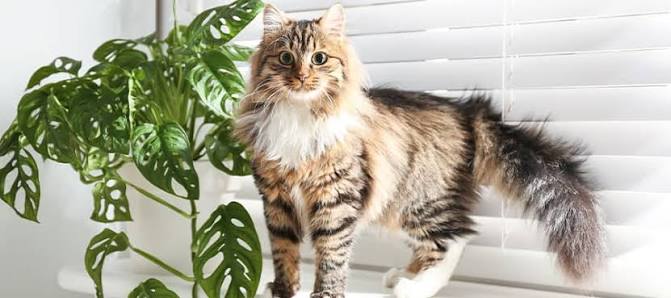
Bringing greenery into your home can enhance your living space, but many common houseplants pose significant health risks to inquisitive cats. This guide identifies 14 plants that are toxic to felines and offers actionable steps to keep your indoor environment safe.
\n
Understanding Plant Toxicity in Felines
So where does that leave 14 Popular Indoor Plants That Are Toxic to Cats? Right where you’d expect — between what works and what’s just noise.
You might think your cat is just being mischievous when they bat at your parlor palm, (it sounds obvious, but most people skip it), but their attraction to houseplants is deeply instinctual. In the wild, felines graze on grasses to help with digestion and hairball removal. Unfortunately, your domestic cat can’t distinguish between a harmless blade of rye and a dangerous lily. To them, a lush fern is simply a salad bar waiting to happen.
Why Cats Are Naturally Attracted to Houseplants
So where does that leave 14 Popular Indoor Plants That Are Toxic to Cats? Right where you’d expect — between what works and what’s just noise.
Curiosity is a feline trait. Cats are tactile creatures that explore their environment primarily through touch and taste. If a plant has swaying fronds or interesting textures, it becomes an irresistible toy. We see this behavior daily. Some cats crave the crunch of leaves, while others are drawn to the scent of certain foliage. Unfortunately, this playful nibbling can quickly turn into a veterinary emergency.
Common Toxic Compounds Found in Indoor Foliage
So where does that leave 14 Popular Indoor Plants That Are Toxic to Cats? Right where you’d expect — between what works and what’s just noise.
Plants have evolved chemical defenses to stop herbivores from eating them. These compounds are often harmless to humans but lethal to pets. Think of these plants like a beautiful gift box that contains a hidden, sharp needle. You should watch for these specific irritants:
- Calcium oxalate crystals: These microscopic, — which is exactly the point —, needle-like structures cause immediate oral pain and swelling upon contact.
- Cardiac glycosides: Potent toxins that interfere with heart muscle contractions, often found in plants like Oleander.
- Solanine: A glycoalkaloid that can cause severe gastrointestinal distress and neurological tremors in curious kittens.
- Terpenoids: Volatile compounds that can lead to drooling, vomiting, and loss of coordination.
So where does that leave 14 Popular Indoor Plants That Are Toxic to Cats? Right where you’d expect — between what works and what’s just noise.
If you suspect your cat has ingested a plant, check the ASPCA toxic plant database immediately. Knowing these internal defense mechanisms is the first step in creating a safe, cat-friendly home for your furry companions.
Common Toxic Plants for Indoor Environments
So where does that leave 14 Popular Indoor Plants That Are Toxic to Cats? Right where you’d expect — between what works and what’s just noise.
Bringing nature inside transforms a house into a home, but some greenery poses a hidden threat to your feline friends. As a pet owner, I know that keeping curious cats away from decorative foliage feels like trying to keep a toddler away from a cookie jar. Before you head to a local nursery like Home Depot or Lowe’s, you must understand which species pose the highest risk to your companions.
Lilies: The Most Dangerous Plants for Cats
So where does that leave 14 Popular Indoor Plants That Are Toxic to Cats? Right where you’d expect — between what works and what’s just noise.
True lilies, — not always, but often enough —, specifically those in the Lilium or Hemerocallis genera, are the most lethal plants for cats. Even a tiny amount of pollen brushed onto a cat’s fur can lead to severe issues. If your cat grooms that pollen off their coat, they may suffer from acute kidney failure within 72 hours. Please, never keep these in your home if you’ve a cat. Even the water in the vase acts as a toxic reservoir.
Popular Araceae Family Plants to Avoid
So where does that leave 14 Popular Indoor Plants That Are Toxic to Cats? Right where you’d expect — between what works and what’s just noise.
The Araceae family includes many trending houseplants that thrive in low-light apartments. While these plants look stunning in a macramé hanger, (or at least, that’s how it works in practice), they contain insoluble calcium oxalate crystals. When your cat bites into a leaf, these microscopic, needle-like crystals puncture the soft tissues of the mouth, causing immediate pain and intense swelling. Common varieties you should flag include:
- Monstera Deliciosa (Swiss Cheese Plant)
- Philodendron species
- Epipremnum aureum (Golden Pothos)
- Dieffenbachia (Dumb Cane)
So where does that leave 14 Popular Indoor Plants That Are Toxic to Cats? Right where you’d expect — between what works and what’s just noise.
I always suggest checking the ASPCA Toxic Plant Database before bringing any new green friend through your front door. If you suspect your cat has ingested one of these species, contact a veterinarian or a pet poison hotline immediately. Quick action saves lives when dealing with these common toxic indoor plants.
Identifying Symptoms of Plant Poisoning
So where does that leave 14 Popular Indoor Plants That Are Toxic to Cats? Right where you’d expect — between what works and what’s just noise.
You need to act fast if your cat nibbles on a suspicious houseplant. Recognizing the early warning signs can literally save your pet’s life. Cats are curious explorers, but their systems are incredibly delicate compared to humans.
Gastrointestinal Distress and Oral Irritation
So where does that leave 14 Popular Indoor Plants That Are Toxic to Cats? Right where you’d expect — between what works and what’s just noise.
The first signs of toxicity often appear immediately after ingestion. Insoluble calcium oxalate crystals, found in plants like Dieffenbachia, act like tiny glass shards in the mouth. You might notice your cat pawing at its face or drooling excessively. Frequent vomiting or refusal to eat are also classic red flags. If you see these signs, check your plant for missing leaves or bite marks right away. Think of these symptoms like an internal alarm bell ringing loudly in your home.
Neurological and Systemic Signs to Monitor
So where does that leave 14 Popular Indoor Plants That Are Toxic to Cats? Right where you’d expect — between what works and what’s just noise.
Some plants cause deeper damage beyond simple stomach upset. Toxins found in lilies, for example, can trigger rapid kidney failure within 24 to 72 hours. Watch for these serious indicators:
- Extreme lethargy or sudden hiding behaviors
- Difficulty breathing or rapid, shallow gasps
- Uncoordinated movements or sudden seizures
- Abnormal heart rate or weak pulses
So where does that leave 14 Popular Indoor Plants That Are Toxic to Cats? Right where you’d expect — between what works and what’s just noise.
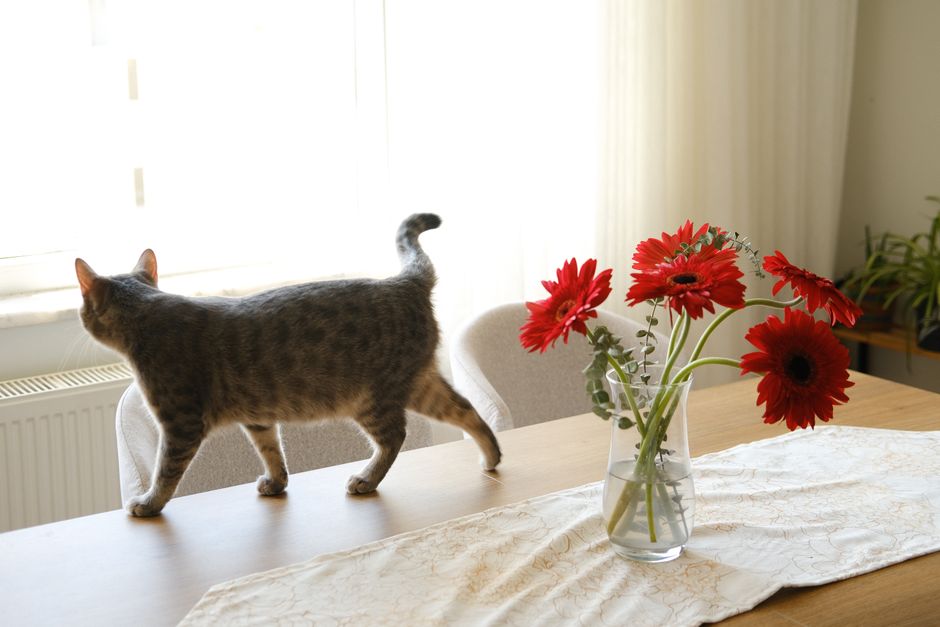
If you suspect poisoning, don’t wait for symptoms to disappear on their own. Use a tool like the ASPCA Animal Poison Control Center mobile app to quickly check the toxicity level of specific species. If your cat shows any neurological impairment, take them to an emergency clinic immediately. I recommend keeping the contact information for the Pet Poison Helpline saved in your phone’s favorites. Staying calm helps you get your cat the medical intervention they need without wasting precious time. Quick observation prevents minor accidents from becoming tragic losses.
Immediate Actions if Your Cat Ingests a Toxic Plant
So where does that leave 14 Popular Indoor Plants That Are Toxic to Cats? Right where you’d expect — between what works and what’s just noise.
Panic is your worst enemy during a potential poisoning event. Stay calm and act quickly. If you suspect your cat has nibbled on a plant, first remove any remaining foliage from their mouth to prevent further ingestion. Think of this like a firefighter clearing a path to stop a blaze from spreading further. don’t induce vomiting unless specifically instructed by a medical professional, as some plant toxins can cause additional damage on the way back up.
Steps to Take During an Emergency
- Take a photo of the plant to aid in identification.
- Collect a sample of the plant material in a sealed plastic bag.
- Call your local emergency vet or the ASPCA Animal Poison Control Center at 888-426-4435 immediately.
- Check for symptoms like drooling, — which is exactly the point —, vomiting, or lethargy.
So where does that leave 14 Popular Indoor Plants That Are Toxic to Cats? Right where you’d expect — between what works and what’s just noise.
Time is critical when dealing with toxic flora. If your veterinarian is unavailable, look for the closest 24-hour emergency hospital in your area using a service like Google Maps. Every second counts. don’t wait for symptoms to appear, as some lilies and philodendrons cause internal organ damage long before a cat looks visibly ill.
Information Your Veterinarian Will Need
So where does that leave 14 Popular Indoor Plants That Are Toxic to Cats? Right where you’d expect — between what works and what’s just noise.
To provide the best care, — which is exactly the point —, your vet needs specific data. Be prepared to share the exact species of the plant if you know it, or show them the photo you captured. Tell them how much you believe your cat consumed and roughly when the incident occurred. Note any behavioral changes you observed since the suspected ingestion. If you’ve the plant’s common or botanical name, write it down before you leave the house. Providing accurate details helps the veterinary team avoid guesswork and start life-saving treatment, such as activated charcoal or intravenous fluids, much faster.
Curating a Cat-Friendly Indoor Garden
So where does that leave 14 Popular Indoor Plants That Are Toxic to Cats? Right where you’d expect — between what works and what’s just noise.
You don’t have to choose between a lush jungle and a happy cat. Creating a thriving green space is like building a puzzle where every piece needs to fit perfectly for your feline friend’s safety. We have learned that compromise is the secret to a healthy household. You can swap out dangerous favorites for stunning, non-toxic varieties that bring the same aesthetic impact to your living room.
Safe Alternatives for Plant Lovers
So where does that leave 14 Popular Indoor Plants That Are Toxic to Cats? Right where you’d expect — between what works and what’s just noise.
I suggest starting with plants that offer bold textures without the risk of poisoning your pet. For example, replace that toxic Philodendron with a Spider Plant. They grow quickly and are completely harmless if your curious cat decides to nibble on the dangling leaves. Consider these three pet-safe staples for your collection:
- Calathea: Known for their striking, (or at least, that’s how it works in practice), (and yes, that matters more than you’d think), patterned foliage.
- Boston Fern: Perfect for adding lush, drooping greenery to high shelves.
- Areca Palm: Brings a dramatic tropical vibe to any corner.
Design Strategies for Pet-Safe Spaces
So where does that leave 14 Popular Indoor Plants That Are Toxic to Cats? Right where you’d expect — between what works and what’s just noise.
Strategic placement is your best defense against accidents. If you’re determined to keep a semi-toxic plant, move it to a room your cat can’t access, such as a home office with a closed door. Use heavy-duty, wall-mounted planters from brands like West Elm or Umbra to elevate your greenery out of jumping range. I often recommend using citrus-scented sprays or double-sided adhesive tape near pots to deter playful paws. If your cat is a dedicated climber, stick to floor-based plants that are heavy enough to avoid tipping over during a sudden case of the “zoomies.” Always place your plants in stable, ceramic pots that won’t shatter easily. By focusing on vertical space and smart placement, you ensure your indoor oasis remains a sanctuary for both you and your cat.
Preventative Measures and Deterrents
So where does that leave 14 Popular Indoor Plants That Are Toxic to Cats? Right where you’d expect — between what works and what’s just noise.
You love your greenery, but cats often view your parlor palm as a personal salad bar. Protecting your feline friend requires a mix of physical barriers and clever distraction techniques. A hungry cat near a toxic lily is like a toddler in a room full of glass vases.
Effective Ways to Keep Cats Away from Plants
So where does that leave 14 Popular Indoor Plants That Are Toxic to Cats? Right where you’d expect — between what works and what’s just noise.
To discourage curious paws, you can make your pots unappealing. Cats despise the texture of sticky surfaces and the scent of citrus. You might consider these tactical approaches:
- Apply bitter apple spray directly to the leaves to create an instant taste deterrent.
- Place double-sided sticky tape like Sticky Paws around the perimeter of your plant stands.
- Use heavy river stones or decorative wire mesh over the soil to prevent digging behavior.
- Install hanging planters at least six feet off the ground using sturdy ceiling hooks.
So where does that leave 14 Popular Indoor Plants That Are Toxic to Cats? Right where you’d expect — between what works and what’s just noise.
I find that scent-based deterrents work wonders for persistent jumpers. Simply placing citrus peels on the soil surface often stops a cat in its tracks. If your cat refuses to back down, physical barriers are your best bet.
Environmental Enrichment to Reduce Boredom
So where does that leave 14 Popular Indoor Plants That Are Toxic to Cats? Right where you’d expect — between what works and what’s just noise.
Boredom is the primary driver behind plant munching. When your cat lacks stimulation, they hunt whatever is available in your living room. You should rotate their toys weekly to keep their interest piqued. Interactive tools like the Cat Dancer wand or automated laser pointers help burn off that excess energy.
So where does that leave 14 Popular Indoor Plants That Are Toxic to Cats? Right where you’d expect — between what works and what’s just noise.
Set up a dedicated “cat garden” with pots of fresh cat grass or silver vine. This gives your pet a safe, edible alternative that satisfies their natural urge to graze. When your cat has a designated area to forage and play, your prized monstera stays perfectly safe. Always prioritize their mental health to keep your home harmonious.
Final Thoughts
So where does that leave 14 Popular Indoor Plants That Are Toxic to Cats? Right where you’d expect — between what works and what’s just noise.
Creating a beautiful indoor jungle shouldn’t come at the expense of your feline friend’s health. While it’s easy to fall in love with trendy greenery, the most important takeaway is to always verify the toxicity of a new plant before bringing it home. Remember, even common favorites like lilies or philodendrons can pose serious risks if ingested. I recommend double-checking your current collection against a trusted database like the ASPCA list to ensure every pot is truly cat-friendly. If you discover a dangerous plant in your living room, consider moving it to a high shelf or gifting it to a friend. Which of your plants are you going to check first today?
”You might also like