Skip to content
How Much Does It Really Cost to Own a Pet? Financial Breakdown
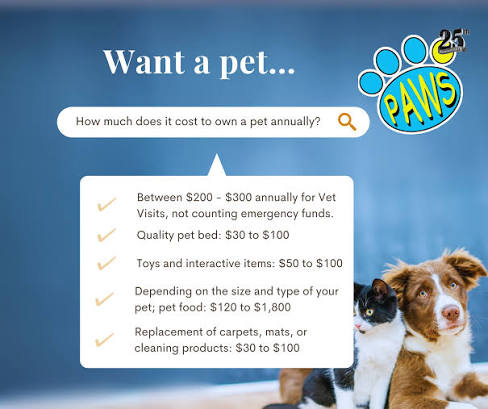
Owning an animal companion involves far more than paying an adoption fee or purchasing supplies upfront, requiring a realistic financial commitment across the animal’s entire lifespan.

Initial Outlay and Setup Expenses for New Animals
Bringing a new animal home requires significant upfront spending before day-to-day maintenance even begins. Budgeting for these initial costs helps prevent unexpected financial strain during the transition period.
Adoption Fees, Registration, and Licensing Costs
Acquiring an animal typically involves formal administrative fees that vary by organization and municipality. Animal shelters and rescues usually charge adoption fees that cover baseline veterinary care, such as spaying or neutering, initial vaccinations, and microchipping. Beyond the adoption agency, local governments generally require pet owners to purchase an annual or lifetime license. Registration fees ensure compliance with local ordinances and help animal control agencies return lost animals to their owners quickly.
Essential Supplies: Crates, Bowls, and Grooming Gear
Physical gear constitutes a major portion of the startup budget. Depending on the species, physical requirements vary widely, but foundational items generally include:
- Durable housing, such as a wire crate or indoor enclosure
- Heavy, non-tip food and water bowls
- Appropriate collars, harnesses, and identification tags
- Basic grooming tools tailored to coat type, including brushes and nail clippers
Quality varies across these products, and purchasing excessively cheap equipment often leads to premature replacement. Selecting well-made items during the initial setup phase reduces long-term replacement frequency. Consulting breed-specific or species-specific guides can help clarify which supplies are genuinely necessary versus optional.
Recurring Annual Budget Items: Food, Care, and Maintenance
Sustaining an animal companion year after year requires a predictable baseline expenditure covering nutrition, baseline health maintenance, and everyday consumables. While initial setup costs eventually fade, these ongoing obligations remain constant throughout the animal’s life, scaling primarily with species, body weight, and individual metabolic needs.
Nutritional Requirements and Monthly Alimentation Costs
Commercial diets represent the most consistent ongoing expense for animal owners. Nutritional costs vary widely depending on whether the animal requires standard maintenance diets, large-breed formulations, or specialized veterinary prescriptions. High-density commercial foods generally cost more per bag but require smaller daily serving sizes to meet caloric and nutritional requirements, altering the actual cost per meal compared to budget alternatives. Owners must factor in not only primary kibble or canned food but also routine treats used for training and dental health.
Preventative Medications, Parasite Control, and Routine Supplies
Beyond daily feeding, routine wellness management demands a steady financial allocation for preventative healthcare. Veterinarians typically recommend continuous year-round management for fleas, ticks, and heartworms, which involves monthly topical treatments, oral chews, or periodic injections. Routine supplies also deplete steadily over time, requiring consistent replenishment of items such as waste disposal bags, cat litter, enzymatic cleaning agents, and replacement toys that suffer normal wear and tear. Factoring these predictable expenses into a monthly cash-flow plan prevents unexpected budget shortfalls as supplies run low.
Veterinary Care and Preventative Health Investments
Routine medical oversight forms the backbone of responsible animal stewardship, shielding owners from severe emergency expenditures later in the animal’s life. Financial planning for veterinary needs must account for both predictable preventive schedules and variable medical interventions influenced by species, age, and genetic predisposition.
Scheduled Annual Wellness Exams and Vaccinations
Preventive appointments allow veterinarians to establish physiological baselines, monitor weight changes, and detect early signs of chronic illness before symptoms become obvious. A standard annual visit typically includes a comprehensive physical examination, core vaccinations tailored to local rabies and regional disease risks, and routine parasite screening such as fecal analysis. While these scheduled visits have predictable baseline costs, fees fluctuate based on regional veterinary labor rates and the specific diagnostic panels recommended for aging animals.
Dental Cleanings and Breed-Specific Health Screenings
Periodontal maintenance represents a major recurring medical investment that often surprises first-time owners. Professional dental cleanings require general anesthesia, scaling, and polishing, frequently accompanied by intraoral radiographs to identify hidden root infections or tooth resorption. Because dental disease progresses silently, many veterinarians recommend regular prophylaxis starting early in adult life.
In addition to dental care, specific lineages carry elevated risks for hereditary conditions that demand proactive screening. Owners of brachycephalic dogs, giant breeds, or cats prone to hypertrophic cardiomyopathy should anticipate specialized diagnostic costs, such as:
- Orthopedic evaluations for hip and elbow dysplasia
- Echocardiograms and cardiac assessments
- Ophthalmologic certifications for inherited eye disorders
- Blood panels monitoring organ function for breeds predisposed to endocrine or renal decline
Consulting primary care veterinarians about known lineage vulnerabilities helps owners build realistic medical reserve funds tailored to their specific companion.

Managing Unforeseen Medical Emergencies and Accidental Injury
Acute trauma and sudden systemic illness introduce significant financial volatility into animal guardianship. Unlike predictable wellness checkups, unexpected veterinary crises require immediate capital for diagnostics, surgical intervention, or overnight hospitalization. Mitigating this risk requires deliberate structural planning before a health crisis occurs.
Evaluating Pet Insurance Premiums and Deductibles
Coverage plans operate on varying reimbursement structures that directly impact out-of-pocket exposure during an emergency. Policies typically require selecting an annual deductible, a reimbursement rate—often between 70 and 90 percent—and an annual coverage cap. Lower monthly premiums generally correspond to higher deductibles and reduced payout limits, leaving owners responsible for larger sums during major medical events. Pre-existing conditions are universally excluded from standard commercial policies, making early enrollment prior to the onset of chronic symptoms a critical factor in coverage viability.
Building a Dedicated Emergency Savings Fund for Veterinary Care
Self-insuring through a dedicated liquidity reserve offers an alternative to third-party insurance policies. Setting aside a specific cash fund ensures immediate availability of funds without waiting for claims processing or navigating coverage exclusions. Because advanced diagnostic imaging, emergency stabilization, and specialized surgical procedures frequently scale into thousands of dollars, gradual monthly contributions help accumulate a sufficient financial buffer over time. Consulting a licensed veterinarian about local emergency care costs provides a realistic baseline target for establishing this dedicated reserve.
Lifestyle Modifications and Indirect Ownership Expenses
Beyond direct veterinary care and nutrition, animal guardianship alters daily household overhead through accommodation adjustments and logistical planning. Domestic routines must adapt to accommodate an animal’s presence, introducing capital outlays that rarely appear in initial adoption estimates.
Property Wear and Security Modifications
Living spaces inevitably experience accelerated wear from claws, shedding, and normal activity. Hardwood floors require frequent refinishing, carpets demand deep extraction cleaning or eventual replacement, and upholstered furniture often suffers structural damage from scratching or chewing. To prevent property damage and ensure safety, owners frequently invest in physical home improvements:
- Installing secure backyard fencing or modifying existing property boundaries to prevent roaming
- Upgrading interior doors, window screens, and baseboards to durable, scratch-resistant materials
- Securing hazardous household chemicals, electrical cords, and toxic houseplants
Professional Boarding, Pet Sitting, and Travel Logistics
Work schedules, family obligations, and vacations require external support systems when animal companions cannot accompany their guardians. Professional kennel boarding, in-home pet sitting, and specialized daycare facilities introduce substantial recurring expenses. Rates vary widely based on geographic location, facility amenities, and whether the animal requires daily medication administration or behavioral management. Additionally, traveling long distances with domestic animals involves specific logistics, including health certificates required by airlines, specialized transport crates, and pet-friendly accommodation fees.
Specialized training further shapes long-term expenditures. Addressing behavioral issues such as leash reactivity, separation anxiety, or destructive chewing often requires professional intervention. Enrolling in obedience classes or hiring private trainers helps establish foundational socialization, reducing the likelihood of costly property destruction or municipal liability issues over the animal’s lifetime.

Species-Specific Cost Variations: Dogs, Cats, and Exotics
Comparative analysis reveals distinct financial trajectories between canine and feline lifetime budgets. Dogs generally demand higher cumulative expenditures due to weight-dependent food consumption, municipal licensing fees, and routine veterinary interventions scaled to their size. Larger animals require scaled dosages of preventative medications, higher quantities of commercial feed, and robust containment equipment. Cats typically incur lower baseline costs for food and grooming, though their longevity can extend older-age veterinary expenses related to chronic renal and endocrine conditions.
Hidden Expenses Associated with Small Mammals, Birds, and Reptiles
Exotic animals, birds, and small mammals frequently create the illusion of affordability through modest initial purchase prices, yet their specialized husbandry demands significant recurring capital. Maintaining proper physiological health for these species requires strict environmental controls that directly influence utility bills and equipment replacement schedules.
- Habitat Environmental Controls: Reptiles and amphibians require specialized ultraviolet lighting, ceramic heat emitters, and digital thermostats to regulate enclosure microclimates, resulting in continuous electricity consumption and periodic bulb replacements.
- Specialized Nutrition: Insectivores and strict herbivores often depend on imported hays, live feeder insects, and specialized fresh produce that must be sourced weekly, bypassing standard commercial pet store aisles.
- Avian and Exotic Veterinary Care: Finding a qualified avian or exotic specialist often involves traveling significantly greater distances than visiting a standard small-animal practitioner, and specialized diagnostic procedures require advanced veterinary training.
Cage substrates, enrichment items, and specialized cleaning agents further accumulate over time. Because husbandry requirements vary drastically by specific species—such as the distinct humidity needs of tropical geckos versus desert tortoises—consulting experienced herpetologists, avian veterinarians, or specialized rescue organizations helps establish accurate ongoing maintenance budgets before acquisition.
Final Thoughts
Pet ownership requires planning for expenses that extend far beyond initial adoption fees. Routine costs like quality nutrition and preventive veterinary care form the baseline of reliable budgeting. Unexpected medical emergencies represent the most significant variable in long-term pet care. Establishing a dedicated emergency fund or securing pet insurance prevents sudden veterinary bills from disrupting household finances. Evaluating current monthly income against these projected obligations ensures sustainable care for the lifespan of the animal. Review local veterinary rates and supply costs to build an accurate household budget before bringing a new pet home.
”You might also like